Ginseng
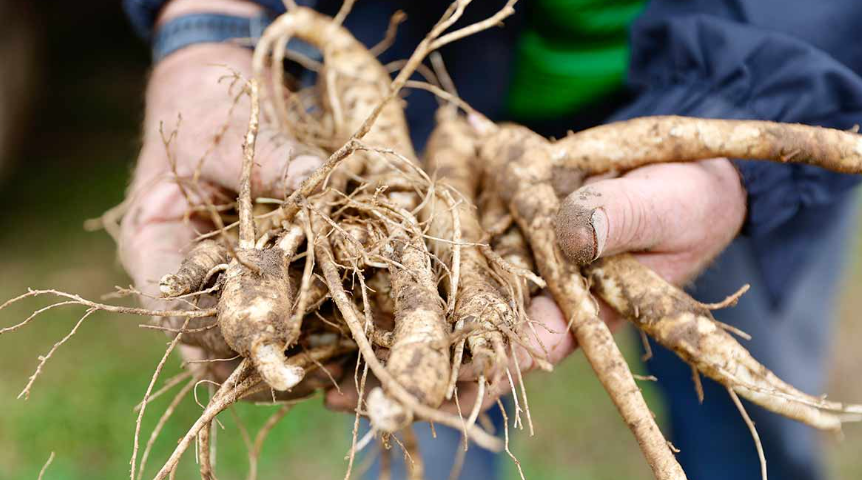
Ginseng — known in Traditional Chinese Medicine as ren shen (人參), meaning “man-root” for its characteristically forked shape — is a slow‑growing perennial herb belonging to the Panax genus of the Araliaceae family. The name Panax itself is derived from the ancient Greek panakes, meaning “all‑healing” or “panacea” — a name chosen by Carl Linnaeus to honour the herb’s extraordinary reputation as a tonic with wide‑ranging health benefits. Cultivated and used in China for over 2,000 years, ginseng is widely regarded as one of the most valuable herbs in TCM, with its root (and, to a lesser extent, its leaves and stems) utilised for both medicinal and edible purposes. Within TCM texts such as the Shen Nong Ben Cao Jing — the oldest surviving materia medica in Chinese history — ginseng was classified among the highest‑grade herbs capable, with prolonged use, of “making the body light and prolonging life”.
From a TCM perspective, ginseng is considered the foremost herb in the category of Qi‑tonifying herbs — earning it the title “King of Tonic Herbs”. Its flavour profile is described as sweet and slightly bitter, with a slightly warm or neutral temperature, and its therapeutic effects primarily target the Spleen, Lung, and Heart meridians. Unlike herbs that simply supply energy, ginseng works by arranging the Qi flowing through the body — guiding and condensing it to the precise areas that require strengthening and revitalisation. In TCM practice, ginseng is indicated for a wide spectrum of Qi‑deficiency patterns: it can powerfully tonify the Original Qi (Yuan Qi) in cases of extreme collapse, benefit Spleen Qi to improve digestion and appetite, tonify Lung Qi to alleviate wheezing and shortness of breath, generate body fluids to quench thirst, and calm the Spirit by tonifying Heart Qi in cases of palpitations, insomnia and anxiety.
Modern pharmacology has begun to decode the science that underpins ginseng’s millennia‑old reputation. The root contains over 40 distinct ginsenosides — a unique class of steroid‑like compounds considered the primary pharmacologically active constituents responsible for ginseng’s wide‑ranging therapeutic effects. These bioactive molecules, together with polysaccharides, peptides and other compounds, are believed to work in concert to support the body’s ability to resist stress, maintain metabolic homeostasis and restore systemic equilibrium — a class of botanicals known as adaptogens. Clinical and laboratory studies have shown that ginseng may improve cancer‑related fatigue, enhance glucose metabolism, and moderate immune responses, while also demonstrating protective effects on cardiovascular function. Ginseng has also been studied for its potential in improving cognitive function, supporting sexual health, and combating the effects of chronic fatigue. While research continues to explore the full therapeutic potential of this remarkable herb, the growing body of scientific evidence consistently confirms what TCM has long maintained: ginseng is an exceptionally valuable botanical ally for the maintenance of vitality and resilience.
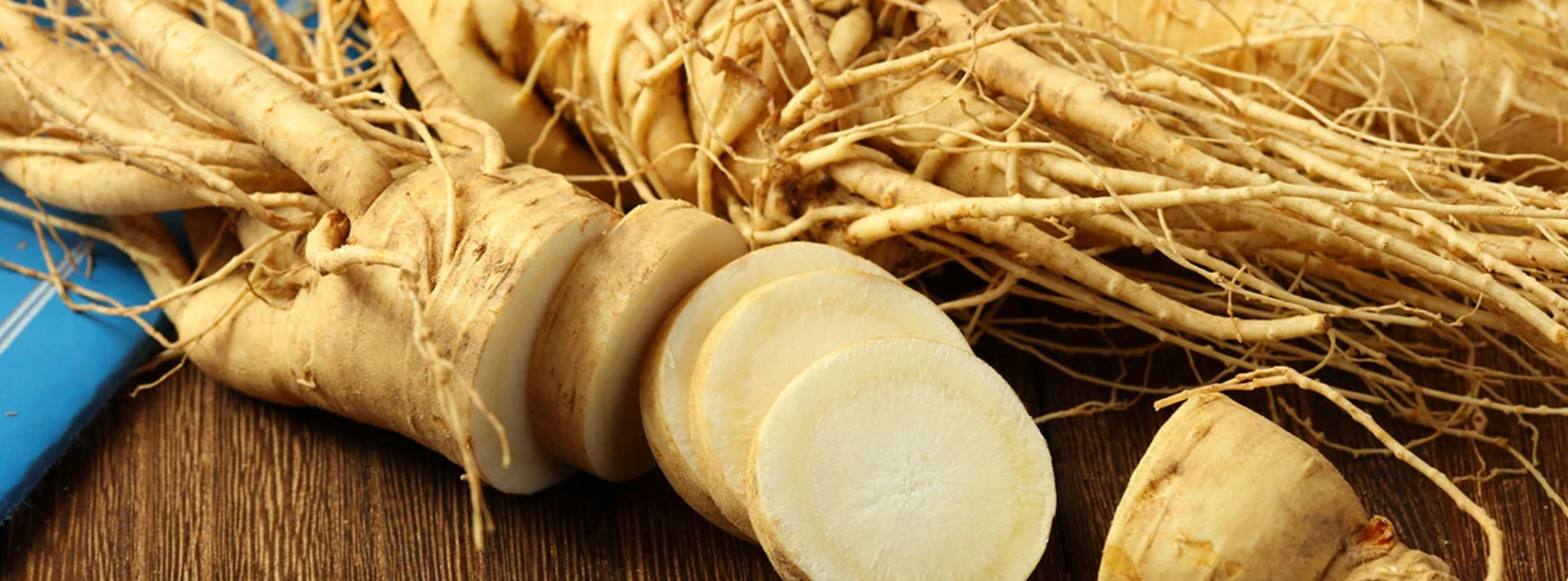
Incorporating ginseng into daily life can be done in several simple yet effective ways. For most general wellness purposes, the recommended daily intake of dried ginseng root is between 1 and 3 grams — roughly the amount that fits into the palm of a small hand. One of the most straightforward methods is brewing ginseng tea: slice the dried root into thin pieces, place 1 to 2 grams in a cup or teapot, pour in boiling water, cover and allow it to steep for 5 to 10 minutes before sipping slowly. The same slices can be steeped two or three times to extract the full benefits. For those who prefer a more traditional approach, decoction — simmering 2 to 10 grams of ginseng slices in 200 to 400 ml of water for approximately one hour — is considered the optimal method for extracting the root’s active compounds. Some also choose to steep ginseng in white alcohol (40 to 60% alcohol by volume) for one week to create a ginseng tincture, or to incorporate small amounts of the root into soups, congee, or slow‑cooked stews where the gentle heat helps release the herb’s potency while adding a delicate, earthy depth of flavour. As a general rule, it is wise to start with a modest amount to observe how the body responds, and to consult a qualified TCM practitioner if considering ginseng for specific health conditions or prolonged use.