Internal Heat (上火Shang Huo)
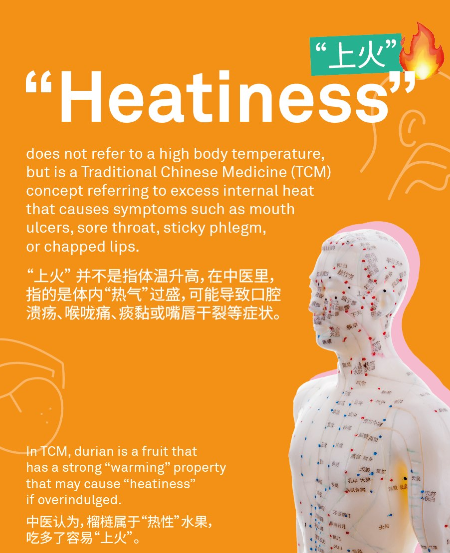
In Traditional Chinese Medicine, the concept of “Shang Huo” — often pronounced in English as “shang huo” or referred to as “excessive internal heat” — describes a state where the body has accumulated too much internal heat or fire energy. The character “火” (huǒ) means fire, while “上火” (shàng huǒ) literally translates to “rising fire”. This internal fire can manifest in various ways throughout the body — searing the throat, inflaming the gums, and rising to the surface as pimples or canker sores. From a TCM perspective, Shang Huo is fundamentally an imbalance between yin and yang: when yang becomes too dominant or yin is insufficient, the body’s inner heat rises beyond its healthy range. This is not a disease in itself, but rather a signal that the body has fallen out of harmony — a warning sign worth paying attention to.
Causes and Types of Shang Huo
What causes Shang Huo? Many everyday factors can contribute: eating too many spicy or deep-fried foods, staying up late night after night, drinking insufficient water, or feeling emotionally stressed for an extended period. In TCM, Shang Huo is further divided into two main categories. Excess Fire (Shi Huo/实火) is caused by an overabundance of yang energy, often triggered by hot-natured foods, external heat pathogens, or emotional intensity — its symptoms tend to appear suddenly and feel intense. Deficiency Fire (Xu Huo/虚火) , on the other hand, arises when the body‘s yin fluids are depleted from long-term fatigue, chronic illness, or insufficient rest, causing a relative surplus of yang — its symptoms develop gradually and tend to recur. Understanding which type is at play is essential for choosing the right approach to rebalancing.
Recognising the Signs
When the body has too much internal heat, it has clear ways of letting you know. Common signs of Shang Huo include a sore or dry throat, mouth ulcers or canker sores, swollen and bleeding gums, bad breath, acne or skin blemishes, dry or bloodshot eyes, constipation, and dark yellow urine. Some people also experience irritability, trouble sleeping, or a feeling of heat in the palms and soles. In essence, Shang Huo presents as a collection of “red, hot, painful, and swollen” symptoms — the body’s way of crying out that its internal climate needs attention. These signs are not merely random discomforts; they are messages from the body, inviting a gentle return to equilibrium.
Cooling Down with Food and Lifestyle
Fortunately, Shang Huo is often manageable through mindful adjustments to diet and daily habits. In TCM, foods are classified by their thermal nature — cooling foods help clear excess heat, while warming foods nourish and build internal energy. When the body feels overheated, incorporating cooling ingredients can be especially helpful: think cucumber, watermelon, mung beans, bitter melon, celery, pear, and chrysanthemum tea. Conversely, it can be wise to temporarily reduce foods known to generate heat, such as spicy dishes, deep-fried snacks, lamb, and tropical fruits like lychee and longan. Beyond food, simple lifestyle shifts — drinking more water, prioritising sleep, and managing stress — can go a long way in calming the internal fire and restoring genuine balance.